Signs It's Time for a New Eye Exam (Even If You Think Your Current Glasses Prescription Is Fine)
Signs It's Time for a New Eye Exam (Even If You Think Your Current Glasses Prescription Is Fine)
Clear vision does not always mean your eyes have not changed. You may still read signs, drive comfortably, and use your current glasses without noticing a problem. However, subtle symptoms can indicate that your prescription, focusing ability, or eye health needs attention.
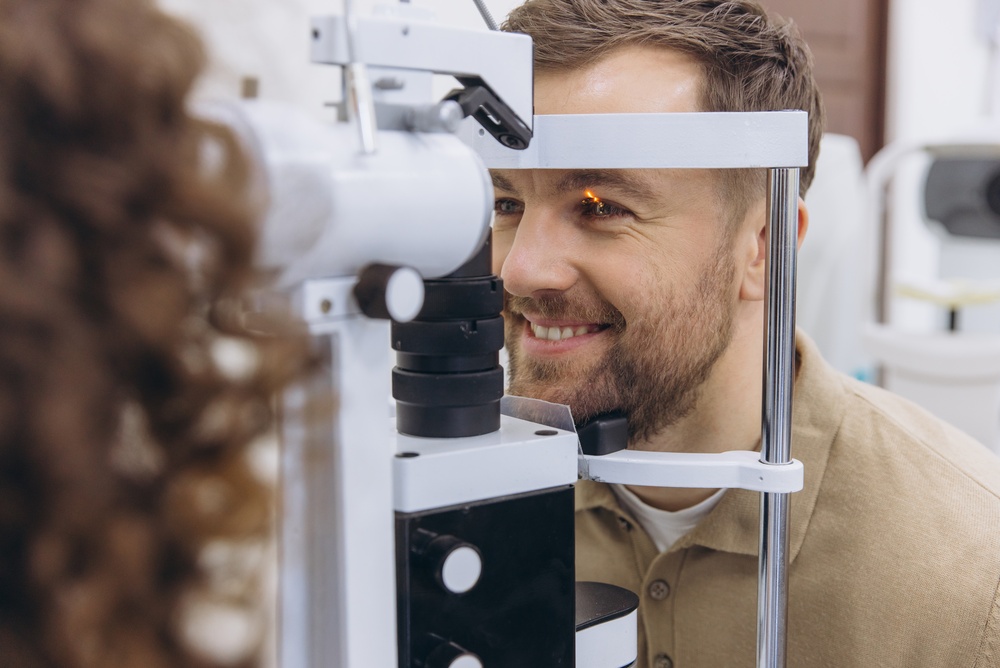
A comprehensive eye exam does more than determine whether you need new glasses. It evaluates how your eyes work together and checks internal and external eye health, helping identify concerns that may not cause obvious symptoms.
Your Vision Feels Clear, but Your Eyes Feel Tired
Eye strain is one of the most common signs that it may be time for a new eye exam. You might notice tired, heavy, or uncomfortable eyes after working on a computer, reading, or driving. Even a small prescription change can make your eyes work harder throughout the day.
Frequent headaches, especially around the forehead or behind the eyes, may also be related to visual strain. An updated eye exam can determine whether your glasses prescription or focusing needs have changed.
You Are Adjusting Your Habits to See Better
People often compensate for vision changes without realizing it. You may move your phone farther away, increase text size, sit closer to a screen, or seek brighter lighting when reading.
Other signs that deserve attention include:
• Squinting to see road signs or fine print
• Removing your glasses to read up close
• Experiencing glare or halos while driving at night
• Taking longer to refocus between near and distant objects
• Closing or covering one eye during detailed tasks
• Noticing blurred or fluctuating vision late in the day
These changes can develop gradually, making them easy to dismiss until they begin affecting work, driving, or daily comfort.
Your Prescription Is Not the Only Reason for an Exam
A comprehensive eye exam evaluates more than visual acuity. During your visit, our optometrists assess depth perception, peripheral vision, eye movement, focusing, eye coordination, eye pressure, and the health of the retina and optic nerve.
Some eye conditions can progress before you notice vision loss. Routine exams are especially important if you have diabetes, high blood pressure, a family history of eye disease, or take medications that may affect your eyes.
Your Lifestyle or Health Has Changed
Changes in your daily routine can affect your visual needs. More computer work, increased nighttime driving, new hobbies, or additional reading may reveal problems that your current glasses do not fully address.
Health changes also matter. Pregnancy, diabetes, medication changes, and aging can influence vision or eye comfort. Dryness, burning, watering, or fluctuating clarity may require an eye health evaluation rather than simply a stronger prescription.
It Has Been Longer Than You Realize
When glasses still seem functional, it is easy to postpone an eye exam. However, gradual changes may be difficult to recognize without professional testing. Regular comprehensive eye exams create a record of your vision and eye health, allowing your optometrist to identify meaningful changes over time.
Schedule Your Next Comprehensive Eye Exam at Best In Sight Eye Care
Schedule a comprehensive eye exam with Best In Sight Eye Care to update your prescription and protect your long-term eye health. Contact our office in Indianapolis or New Palestine, IN, by calling (317) 680-5564 or (317) 861-4100 to book an appointment today.
Helpful Articles

All Eye Care Services
Find personalized eye care excellence with our comprehensive services. From eye exams to advanced diagnostics, trust us for all your vision needs.

Keep In Touch
For non-urgent questions or to learn more about our services, contact us today!
Indianapolis Location
- 4900 S Arlington Ave
Indianapolis, IN 46237 - Phone: (317) 680-5564
- Fax: (317) 782-0998
Hours of Operation
- Monday 9:00am - 6:00pm
- Tuesday 8:00am - 6:00pm
- Wednesday 8:00am - 5:00pm
- Thursday 8:00am - 5:00pm
- Friday 8:00am - 5:00pm
- Saturday By Appointment Only
- Sunday Closed
New Palestine Location
- 4037 South Arbor Lane
New Palestine, IN 46163 - Phone: (317) 861-4100
- Fax: (317) 861-7280
Hours of Operation
- Monday 8:00am - 5:00pm
- Tuesday 8:00am - 5:00pm
- Wednesday 9:00am - 6:00pm
- Thursday 8:00am - 5:00pm
- Friday 8:00am - 5:00pm
- Saturday Closed
- Sunday Closed
© 2026 Best In Sight Eye Care. All rights Reserved - Accessibility Statement - Privacy Policy - Sitemap
Managed and Designed by 