Red, Itchy Eyes During Indiana Harvest Season: Is It Fall Allergies or Dry Eye?
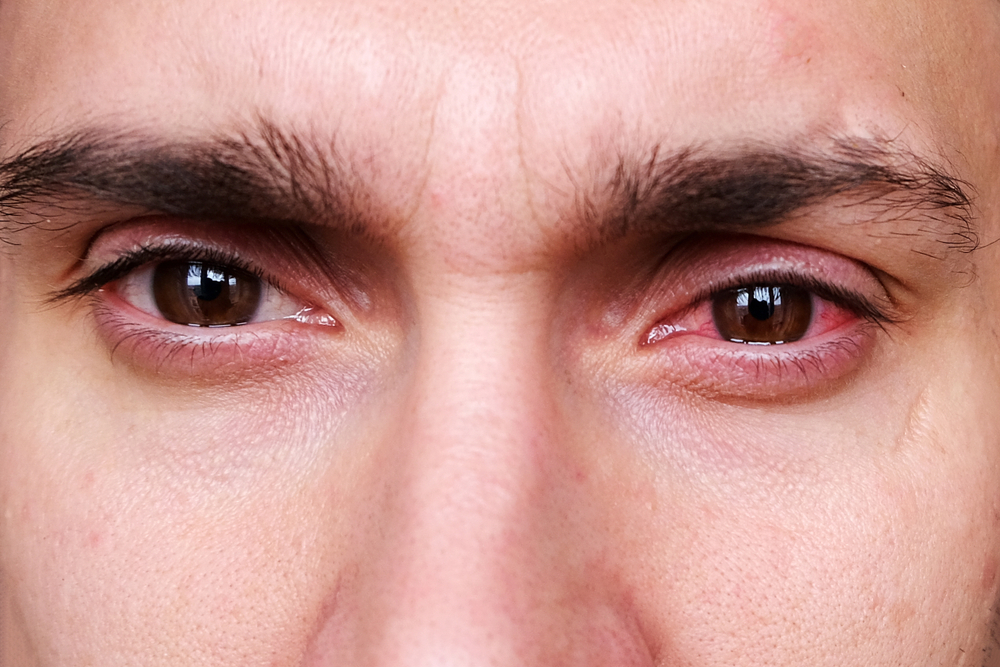
Fall in Indiana means cooler temperatures, changing leaves, and busy harvest activity. It can also bring red, itchy, watery eyes. For residents of Indianapolis, New Palestine, and Columbus, airborne pollen, field dust, and shifting weather can make eye irritation especially noticeable. But are your symptoms caused by seasonal allergies or dry eye? The two conditions can feel similar, and some people experience both.
Why Harvest Season Can Affect Your Eyes
During autumn, ragweed pollen, mold spores, and dust stirred up by outdoor activity can irritate sensitive eyes. Wind may carry these particles farther, while cooler air and indoor heating can encourage tears to evaporate faster.
These seasonal changes can trigger an allergic response, aggravate existing dry eye disease, or do both. Identifying the cause helps determine which treatment is most appropriate.
Signs Your Symptoms May Be Fall Eye Allergies
Itching is the most recognizable sign of allergic conjunctivitis. When your eyes react to allergens, they may become red, watery, or swollen. Symptoms often affect both eyes and may occur alongside sneezing, a runny nose, or nasal congestion.
If symptoms flare after time outdoors, yardwork, or exposure to blowing dust, allergies may be contributing. However, that pattern alone does not confirm a diagnosis.
Signs Your Symptoms May Be Dry Eye
Dry eye develops when your eyes produce too few tears or when the tears evaporate too quickly. Common symptoms include burning, grittiness, fluctuating blurry vision, and a feeling that something is stuck in your eye.
Surprisingly, dry eye can also cause excessive watering as the eyes produce reflex tears in response to irritation. Wind, heating vents, prolonged screen use, and contact lens wear may make discomfort more noticeable.
How Can You Tell the Difference?
Consider these clues when tracking your symptoms:
· Intense itching: More suggestive of eye allergies, especially with sneezing or congestion.
· Burning or gritty sensation: Often associated with dry eye.
· Watery eyes: Possible with either condition, so watering alone is not enough to tell.
· Blur that improves after blinking: May point toward an unstable tear film.
· Symptoms that persist indoors: Could reflect dry eye, indoor allergens, or both.
Because the symptoms overlap, an eye exam is the most reliable way to identify what is happening.
Finding Relief During Indiana's Fall Season
To limit irritation, avoid rubbing your eyes, wash away allergens after outdoor activities, and consider protective glasses on windy days. Cool compresses may calm allergy-related itching. For dryness, preservative-free artificial tears and keeping heating vents from blowing toward your face may help.
Allergy eye drops can help some patients, while others need targeted dry eye treatment. At Best In Sight Eye Care, we can evaluate your symptoms and recommend an approach that fits your eye health rather than relying on guesswork.
If redness is accompanied by significant pain, light sensitivity, or changes in vision, seek prompt medical evaluation rather than assuming it is seasonal irritation.
Schedule a comprehensive eye exam with Best In Sight Eye Care in Indianapolis, IN at (317) 782-4000, New Palestine, IN at (317) 861-4100, or Columbus, IN at (812) 200-5088.
Helpful Articles

All Eye Care Services
Find personalized eye care excellence with our comprehensive services. From eye exams to advanced diagnostics, trust us for all your vision needs.

Keep In Touch
For non-urgent questions or to learn more about our services, contact us today!
Indianapolis Location
- 4900 S Arlington Ave
Indianapolis, IN 46237 - Phone: (317) 782-4000
- Fax: (317) 782-0998
Hours of Operation
- Monday 9:00am - 6:00pm
- Tuesday 8:00am - 6:00pm
- Wednesday 8:00am - 5:00pm
- Thursday 8:00am - 5:00pm
- Friday 8:00am - 5:00pm
- Saturday By Appointment Only
- Sunday Closed
New Palestine Location
- 4037 South Arbor Lane
New Palestine, IN 46163 - Phone: (317) 861-4100
- Fax: (317) 861-7280
Hours of Operation
- Monday 8:00am - 5:00pm
- Tuesday 8:00am - 5:00pm
- Wednesday 9:00am - 6:00pm
- Thursday 8:00am - 5:00pm
- Friday 8:00am - 5:00pm
- Saturday Closed
- Sunday Closed
Columbus Location
- 2473 W. Jonathan Moore Pike
Columbus, IN 47201 - Phone: (812) 200-5088
- Fax: (812) 795-0288
Hours of Operation
- Monday 8:00am - 5:00pm
- Tuesday 9:00am - 6:00pm
- Wednesday 8:00am - 5:00pm
- Thursday 8:00am - 5:00pm
- Friday 8:00am - 5:00pm
- Saturday Closed
- Sunday Closed
© 2026 Best In Sight Eye Care. All rights Reserved - Accessibility Statement - Privacy Policy - Sitemap
Managed and Designed by 